
Optimal Timing for Industry Gradings
Gradings are an essential part of many industries, providing a standardized assessment of quality, size, or other characteristics. The timing of these evaluations can influence outcomes, efficiency, and accuracy. Understanding the optimal periods for conducting gradings ensures consistency and reliability in results.
Conducting gradings during specific seasons can improve accuracy, especially when external factors like weather impact the subject being graded.
Aligning gradings with operational cycles minimizes disruptions and ensures availability of necessary resources.
Many industries recommend specific times for gradings to meet compliance and quality benchmarks.
External conditions such as temperature and humidity can affect grading accuracy, making timing crucial.

Image illustrating the step-by-step grading process.

Visual showing seasonal variations affecting grading outcomes.

Images of tools and machinery involved in grading procedures.

Ways to make Gradings work in tight or awkward layouts.

Popular materials for Gradings and why they hold up over time.
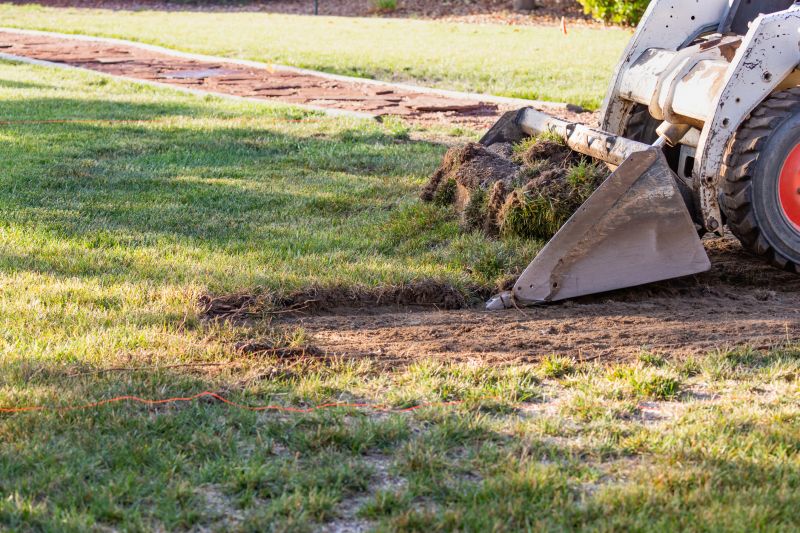
Simple add-ons that improve Gradings without blowing the budget.

High-end options that actually feel worth it for Gradings.

Finishes and colors that play nicely with Gradings.
| Aspect | Optimal Timing |
|---|---|
| Crop Harvesting | Immediately post-harvest for accuracy |
| Product Storage | Before distribution or sale |
| Quality Assessments | During peak operational periods |
| Seasonal Variations | In stable weather conditions |
| Market Preparation | Ahead of high-demand seasons |
| External Conditions | When temperature and humidity are controlled |
Gradings serve as a vital quality control measure across various sectors, including agriculture, manufacturing, and logistics. Proper timing ensures precise evaluation, helping maintain standards and meet industry requirements. Accurate gradings can influence pricing, marketability, and compliance, making the selection of the right time critical for successful operations.

Photograph of a technician performing a grading assessment.

Close-up of grading tools and machinery.

Visual of a product being inspected for grading.

Image showing graded products arranged for evaluation.

Little measurements that prevent headaches on Gradings day.

A 60-second routine that keeps Gradings looking new.

A frequent mistake in Gradings and how to dodge it.

Small tweaks to make Gradings safer and easier to use.
Choosing the appropriate time for gradings can enhance the accuracy and consistency of assessments. Factors such as external conditions, operational schedules, and industry standards should be considered to optimize results. Proper planning ensures that grading processes align with production cycles and market demands.
Individuals interested in scheduling gradings or seeking further information are encouraged to contact through the provided form. Proper timing and execution of gradings contribute to maintaining high-quality standards and operational efficiency.